
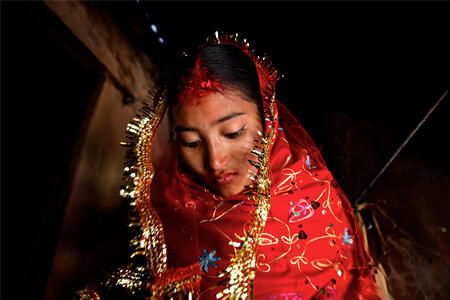

Early marriage remains one of the greatest threats to young girls in Bangladesh: it robs them of their childhood and locks families into cycles of poverty. A recent survey by the Save Earth Society in Comilla district reveals the harsh truth: many girls are forced into marriage before they turn eighteen — and with it, their education, health and future hopes are sacrificed.
Bangladesh continues to carry an alarmingly high rate of child marriage. According to the latest evidence, around 51 % of girls in Bangladesh are married before their 18th birthday. This places Bangladesh among the worst affected nations in the region. Especially worrying in Comilla district are its high numbers of teenage pregnancies — a sign of how early marriage impacts girls’ lives at the most vulnerable age.
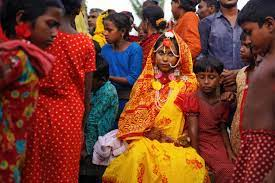
The consequences of early marriage are both heartbreaking and wide-reaching. When a girl marries early, her schooling often ends abruptly. She loses the chance to learn, make friends, grow, and build a better life. Studies show that women who complete primary, secondary or higher education are far less likely to be married young. In other words, keeping girls in school is one of the strongest shields against early marriage.
Health is another major casualty of this practice. When girls marry very early, especially under age 15, they face grave health risks: childbirth complications, danger to the baby, and higher chances of death. For mothers aged 15-19, the risks are still much higher than those in their twenties. Their bodies and hearts are not yet fully ready. Many of their babies are born too small, too early, and with fragile health.
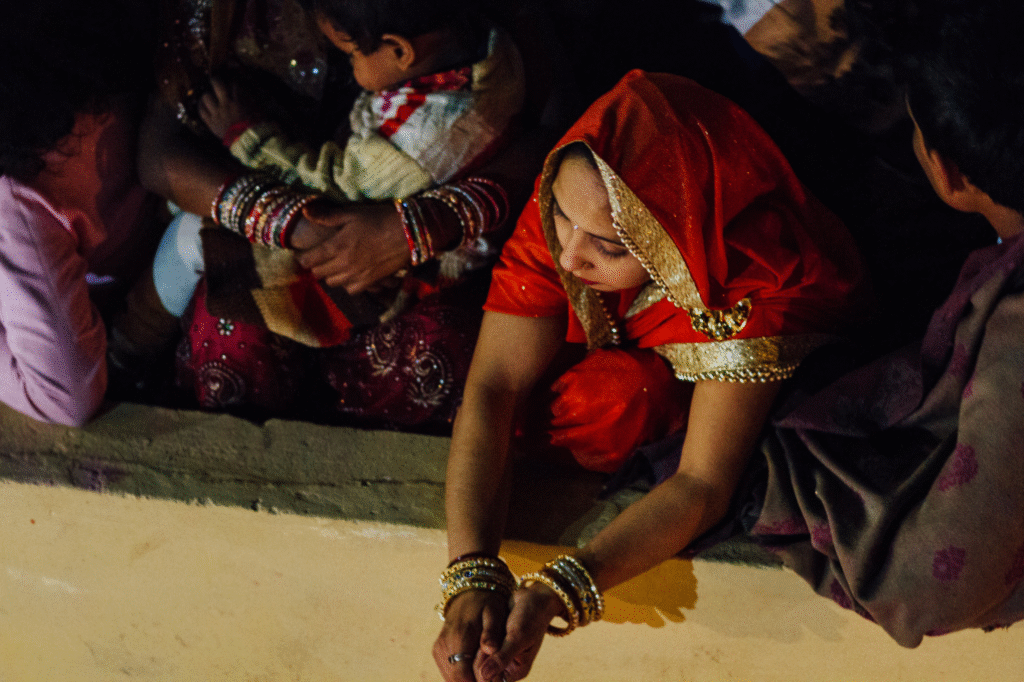
In Comilla, the roots of early marriage can be traced to both poverty and deep-seated traditions. Many families, living with limited income, see marrying off their daughter as the only way to protect her and ease their burden. They fear she might be unsafe, or that as she grows older the dowry will rise — so they hurry to find a husband. Data shows that early marriage is far more common among the poorest households in Bangladesh. The median age at marriage for girls in the poorest families tends to be much younger than for girls in wealthier homes.
For Comilla’s girls, the effects ripple out. A girl who marries early often drops out of school, loses job-opportunities, and ends up with little choice in her life. Her children may also grow up under similar constraints — meaning the pattern of poverty and limited rights continues into the next generation.
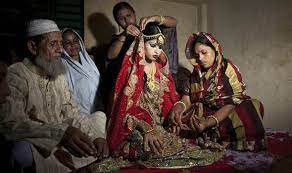
Importantly, early marriage is not just a personal tragedy; it is a direct obstacle to national and local development. When girls cannot access education, have poorer health outcomes and lower earning potential, the community suffers — fewer skilled workers, lower productivity, and less economic growth. Research from countries including Bangladesh suggests that ending child marriage could significantly improve women’s earnings and the overall productivity of society.
So what must be done? Multiple approaches are needed. First, girls must be kept in school through practical support — scholarships, safe transport, flexible class times. Second, the law — namely the Child Marriage Restraint Act, 2017 which sets 18 as the minimum age for girls’ marriage — must be enforced strictly. Third, communities must be engaged in changing mindsets: girls are not burdens to be married off early, but human beings with right to learn and grow. Fourth, parents need to see investing in a daughter’s education as investing in their own family’s future. A well-educated woman earns more, makes healthier decisions, and brings better opportunities for her children.
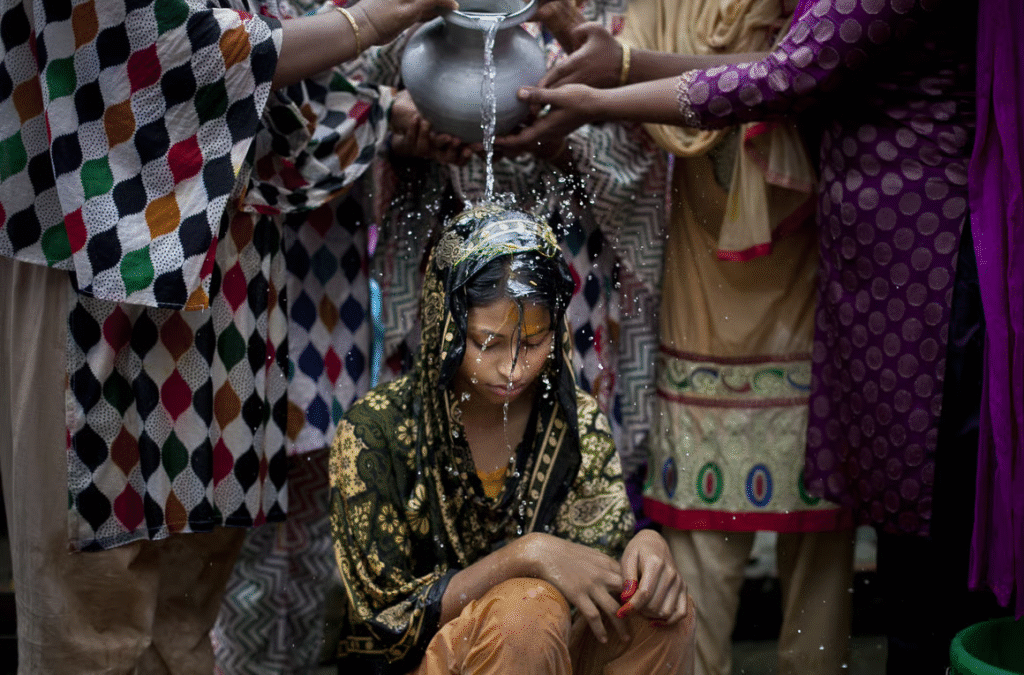
The path ahead is clear: keep girls learning, support poor families so marriage is not seen as the only option, raise awareness of the deep harm early marriage causes, and celebrate girls who finish school and reach their dreams. Every little girl deserves her childhood. She deserves to learn, to play, to grow, and to one day choose her own future — strong, educated and free.
References
Girls Not Brides. (n.d.). Bangladesh. https://www.girlsnotbrides.org/learning-resources/child-marriage-atlas/regions-and-countries/bangladesh/
Human Rights Watch. (2015). Marry before your house is swept away: Child marriage in Bangladesh. https://www.hrw.org/report/2015/06/09/marry-your-house-swept-away/child-marriage-bangladesh
Islam, M. M., Mamun, A. A., & Bairagi, R. (2012). Decline in child marriage and changes in its effect on reproductive outcomes in Bangladesh. National Center for Biotechnology Information. https://www.ncbi.nlm.nih.gov/pmc/articles/PMC3489948/
Plan International. (2022). Child marriage in Bangladesh: Findings from a national survey. https://plan-international.org/publications/child-marriage-in-bangladesh-findings-from-a-national-survey/
The Daily Star. (2024, March 28). An alarming upswing in child marriage. https://www.thedailystar.net/news/bangladesh/news/alarming-upswing-child-marriage-3576476
UNFPA Bangladesh. (2025). Child marriage. https://bangladesh.unfpa.org/en/topics/child-marriage
World Bank & International Center for Research on Women. (2017). Economic impacts of child marriage: Global synthesis report.