

The small, crowded lanes of Cumilla slums hold stories that numbers can’t explain. Behind tin roofs and muddy paths, many children grow up learning how to survive instead of enjoying childhood. Five kids—Anu, Megha, Sabuj, Haider, and Tokon—had tough lives until education changed everything.
Anu’s Quiet Fight
Anu was only seven when her mother died during childbirth—a common tragedy in Bangladesh. Her father, a rickshaw puller, earned very little and couldn’t care for all three children. Anu ended up at an orphanage with just a torn school bag. Many orphaned kids in South Asia drop out of school, and without help, Anu might have become one of the millions of child laborers in Bangladesh.
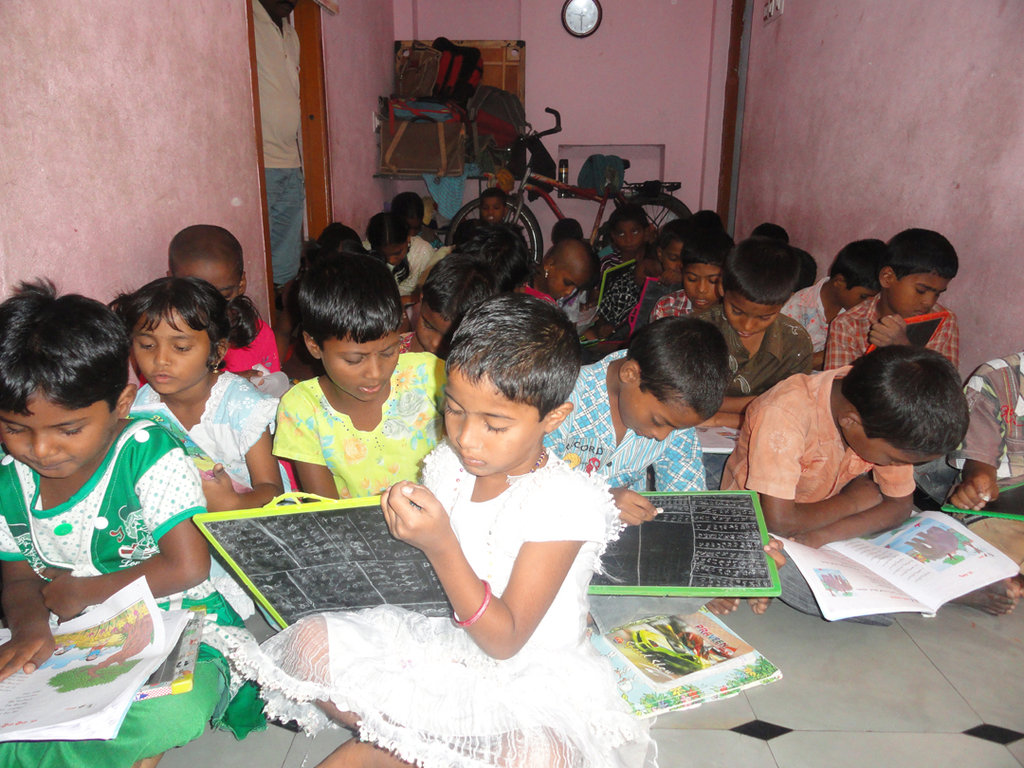
Megha’s Lost Hopes
Megha’s father left the family after a drought ruined their farm. Her mother worked as a maid, and Megha, just nine, had to look after her younger siblings. Girls like Megha often give up school more than boys. She was selling flowers on the street when someone saw her solving math problems in the dirt.
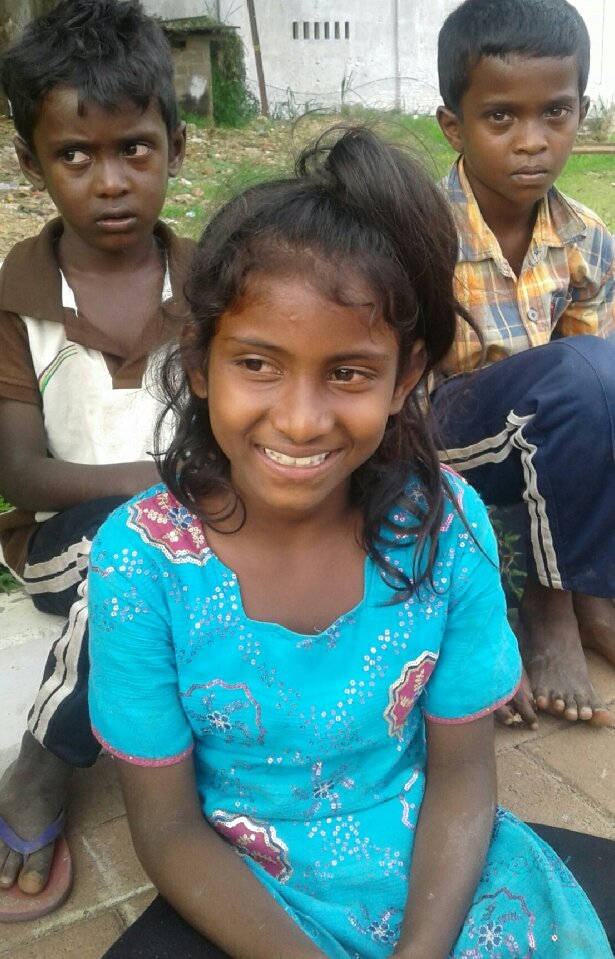
Sabuj’s Street School
Sabuj never met his parents. His grandmother, who picked up trash to earn money, raised him. He learned to read from old newspapers. After she died, Sabuj lived under a railway bridge. Street kids like him face more health risks and often don’t survive long. He was weak from hunger and pollution made him sick.
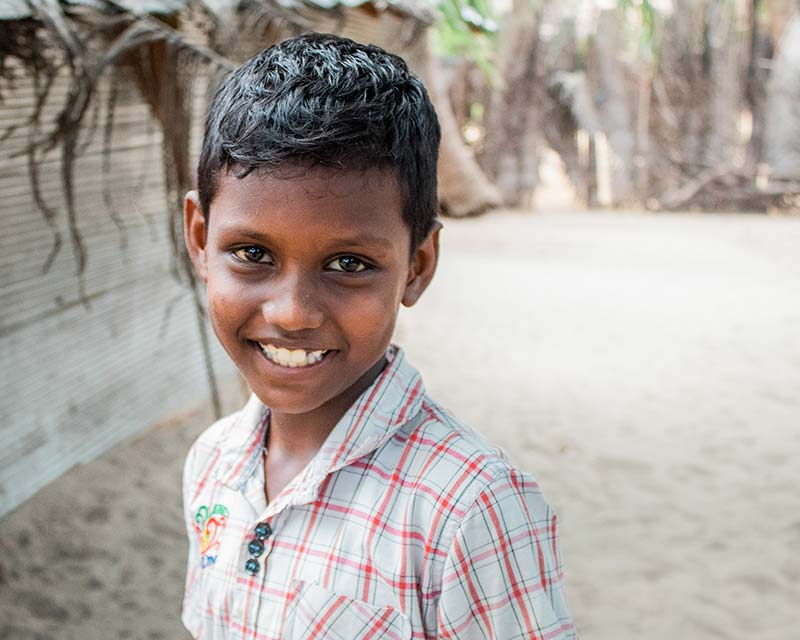
Haider’s Heavy Load
Haider’s father died in a factory accident, and the family was left with debt. At age eleven, Haider worked in a brick kiln, carrying heavy loads that hurt his back. Kids in jobs like these earn very little and miss out on growing up properly.
Tokon’s Silent Pain
Tokon saw his father being violent at home. He ran away and lived on the streets. Children who go through such trauma often struggle in school and with behavior. Tokon was so hurt, he stopped speaking completely.
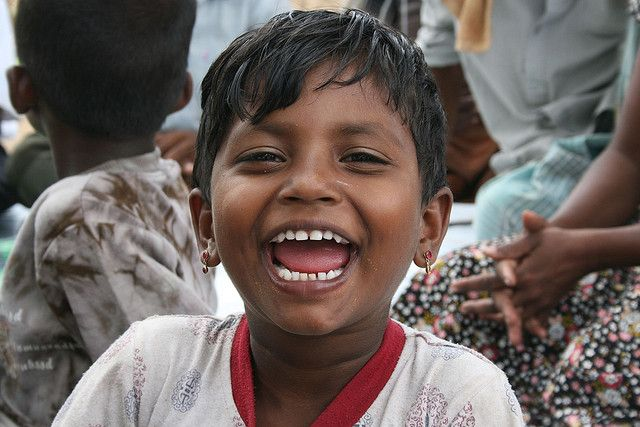
How Education Changed Their Lives
Save Earth Society gave these kids food, healthcare, counseling, and good schooling. With this support, most children stayed in school and got healthier within two years.
Now, Anu helps teach younger kids, Megha wants to be a teacher, Sabuj loves reading, Haider is getting therapy and studying, and Tokon has started talking again. Education didn’t just help five children—it brought hope to many others too.
References
Asian Development Bank. (2022). Education and social protection outcomes in South Asia. Manila: ADB Publications.
Bangladesh Bureau of Statistics. (2022). Child rights and gender disparities in education. Dhaka: Government Press.
Human Rights Watch. (2020). Child labor in Bangladesh's informal economy. New York: HRW.
International Labour Organization. (2019). Child labour in Bangladesh: Analysis and statistics. Geneva: ILO.
National Institute of Mental Health. (2021). Childhood trauma and developmental impacts. Bethesda: NIMH.
Save the Children. (2021). Street children vulnerability assessment. London: SC International.
UNICEF. (2020). Orphans and vulnerable children in South Asia. New York: UNICEF.
World Health Organization. (2021). Maternal mortality in Bangladesh. Geneva: WHO.